Showing posts with label includes a huge variety of dog supplies &amp. Show all posts

Saturday, October 31, 2015

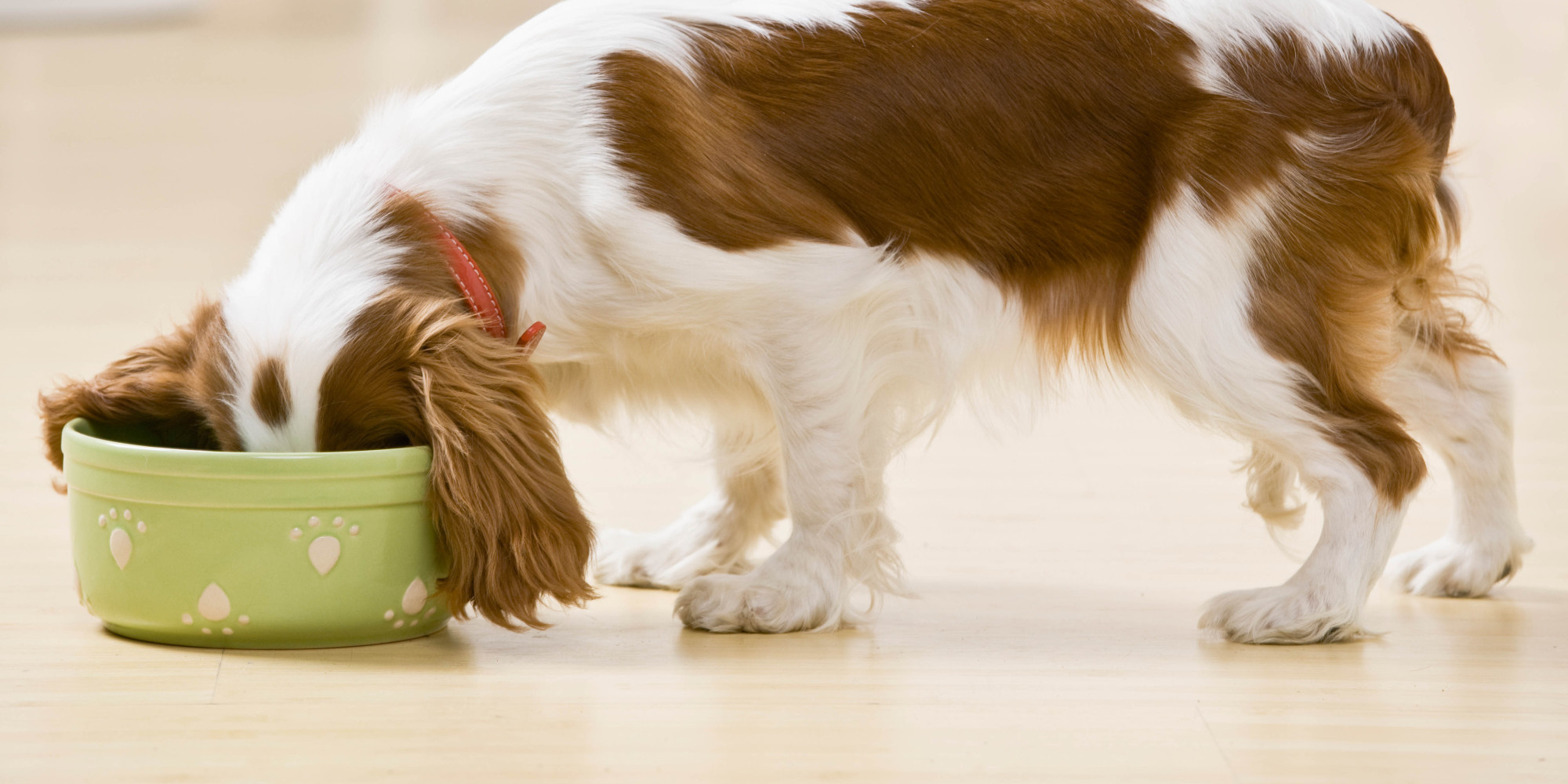
Best Dog Food For Puppies

DOG FOOD/BEST DOG FOOD FOR PUPPIES

In the first few months of a dog’s life, it has a lot of growing to do. Bones, muscles, joints, and even the brain are all rapidly changing as your dog gets bigger. All that growing, coupled with boundless puppy energy, means young dogs have distinct nutritional needs that might not be met with regular dog food.

To ensure your puppy gets the right start in life, you’ve got to pick food that has wholesome, healthy ingredients, and the right balance of fat, protein, and other essential nutrients. Puppy food needs to be more calorie-dense than adult dog food and, because puppies can be more sensitive to digestive irritants and toxins, it should not contain fillers or other questionable items.

Can a puppy eat all-stages food?


Dog food that’s made for all stages meets all of the nutritional needs for an adult dog, but may not have the right balance of fats, proteins, and nutrients that a puppy needs to develop strong teeth, bones, and brain function.

Because puppies are growing quickly, they have higher calorie demands than older dogs. This is one of the key differences between puppy food and adult or even “all stages” foods. Puppies also need a lot of protein, which is why it’s especially important that puppy food have real protein sources, and not grains and fillers.

Adult dog food also tends to be higher in carbohydrates than puppy food, which isn’t necessarily a good thing, even with all of the energy that your young dog displays. For these reasons, it’s best to opt for a dog food especially formulated for puppies if your dog is one year old or younger.

What makes a great puppy food?


When shopping for the best puppy food, you’ll also want to look for formulas that use wholesome ingredients: meat products, no preservatives, additives, or added color.

Puppies are especially sensitive to added ingredients like colors and artificial preservatives, so choosing a puppy food that’s made with real, high-quality ingredients is important. Our recommended brands use meat as the first ingredient, and leave out fillers like corn.  When in doubt, you can check in with our ingredients lists and advisories to see which products should never be in your dog’s food, which are controversial, and which are recommended.

Additionally, high-quality puppy food needs to offer a healthy balance of nutrients. Though we think of calcium as something that all young animals need, the fact is that too much calcium can actually harm puppies, especially larger breeds. For that reason, we looked for puppy foods that offered a healthy balance of essential nutrients like calcium and healthy fats from wholesome sources.

One more consideration


Because puppy food is so high in calories, overfeeding is a distinctive concern. Just because your puppy needs a lot of calories doesn’t mean she needs all of the calories, so pet owners should be strict about how much food — whether it’s canned, kibble, or otherwise — and how many treats their puppy gets. Even if you choose the highest-quality puppy food on the market, if your puppy is overweight or obese, their healthy might be at risk.

The bottom line


Puppies have special needs to ensure that they up strong and hearty. Providing them the right food is the best first step toward a long and healthy life — and just like with all dog food, that means being diligent when it comes to what’s actually in it.

As a general rule, look for foods that are grain-free, those which list meat as the primary ingredient, and which are specially-formulated for the first year of your dog’s life.

Depending on the breed and size of your dog, she may have different nutritional needs (too much calcium, for example, can be harmful for larger dogs), so read up on which nutrients to prioritize. But above all else, make sure you always consult your veterinarian. She can recommend foods that offer the right balance of protein and calories — then it’s up to you to check those ingredients.

Source by: http://www.reviews.com/dog-food/puppy/

Monday, October 12, 2015

Birth Defects and Pet Prostheses: Science to the Rescue


Written by
Tony Johnson ER Vet

Veterinary medicine has advanced to the point that many high-tech diagnostic and therapeutic options, once only available to people, can now be used on pets. Prosthetic limbs, while expensive and still not commonplace, have been fitted to several dogs and cats who have lost limbs through disease or trauma, or in a few cases, been born without limbs. The advent of advanced surgeries, 3D printing and newer materials has led to prostheses gaining momentum and the number of pets receiving them climbing. It's still somewhat of a medical curiosity, but new cases make the news every week.

Prosthetics and orthotics for who are pets missing limbs present some unique challenges in pets as compared to humans. The variability in size that we see in dogs, where one may need to fit an artificial limb to a 4-pound Chihuahua or a 200-pound Great Dane, means that ordering off the rack isn't usually an option. Additionally, using a prosthetic limb in a dog or cat means a big investment in terms of finances and aftercare. Preventing complications like rub sores and arthritis in the remaining limbs means that close work with your family vet and some serious research and soul-searching beforehand are in order.

As the owner of a 3-legged dog myself, I can see how for some dogs a prosthetic limb could make the difference between life and death. My dog, Rocco, who lost a leg to a car accident before I was his owner, is lucky enough to have 3 good legs to stand on and gets along just fine with a missing foreleg, but dogs who have arthritis or other conditions in the remaining limbs (or lose more than one limb) may literally not have a leg to stand on and need a new space-age titanium one to allow them to walk again.

More information on amputation and prosthetics in pets can be found online.

It's not just missing limbs that can be helped with new materials and technology. Paralyzed pets who once couldn't be acceptable pets can now wheel around with the help of specially designed wheelchairs that replace the function of their hind legs. Check out www.k9carts.com and eddieswheels.com. Wheelchairs and mobility devices are even available on eBay and Amazon.com.

To ensure that pets get the best fit, accurate measurements, often with the help of your family veterinarian, need to be made when ordering the cart. Also, some pets who are paralyzed have problems that run deeper than only a lack of mobility - their bladder and colon are sometimes affected by spinal cord damage and need to be managed at home as well.

Birth defects aren't always visible on the outside. Some dogs, especially English Bulldogs and Golden retrievers, are prone to a heart defect called subaortic stenosis, or SAS, where a valve in the heart doesn't completely form and blood flow out of the heart is impeded. Sometimes it's known as just aortic stenosis; stenosis is the medical term for narrowing. Dogs with a severe form of SAS can't run or play because the heart can't deliver oxygen through the narrowed aorta and valve. Unfortunately, in the days before veterinary heart specialists could fix the problem, these pets were often prone to shortened lifespans and sudden death.

But with the help of heart medications and invasive heart surgeries (similar to cardiac catheterization used to treat heart attacks in people and known as balloon catheterization), many SAS dogs can now live full and active lives. The heart catheter needs to be guided to the narrow spot through fluoroscopy, which is like X-ray TV: the veterinary heart specialist can see the catheter, a flexible tube that contains a small balloon in it, and guide it right to the narrow spot. Once the balloon is inflated, the aorta and the narrow area are able to widen and normal blood flow resumes. The recovery period is short since there's only a tiny incision to allow the catheter into the vein.

Some congenital (inborn) defects of dogs involve the eyes. Dogs can be born with cataracts, retinal defects (called colobomas) and an assortment of other problems. Veterinary ophthalmologists use operating microscopes to give affected pets new sight through removal of cataracts, lens implants and host of other therapies once reserved for humans. Veterinary ophthalmologists undergo years of intense training to hone the skills needed to restore vision to blind pets.

Take advantage of recent advances in medical science for pets. If you have a pet with a special condition or a challenging medical history, ask your vet if there's anything new under the sun that might be able to help. New advances occur every day and one of them might be able to restore your pet to full function and a happy, long life.

source by:http://www.petsafe.net/learn/birth-defects-and-pet-prostheses-science-to-the-rescue

Friday, October 9, 2015

Dog Food Guidelines


Can you find your dog’s ribs easily, or do you have to search for them? If you discover that you are not able to feel its ribs, you have an overweight dog. Just like people, a healthy diet, combined with exercise, gives a dog physical and mental well-being. Good nutrition also gives your dog the means to fight off infection and illness.
It is best to feed your dog a diet of premium dog food that contains high quality digestible protein, without meat by-products, indigestible fillers, dyes or chemical preservatives. Even though premium food may cost more, your dog will eat less, be more satisfied and you will be able to see the results – glossy coat, shiny eyes, smooth skin and alert expression – with your own eyes. Regardless of what you choose to feed, always read the food labels to check for the ingredients and be wary of the additives mentioned above.
The debate of dry dog food versus canned dog food has been going on for some time. It has been advocated for many years that dry food helps rid teeth of tartar; however, this is not true. Brushing, nylon bones and regular veterinary cleaning are the best ways to manage your dog’s oral health. What is true is that dry food is very convenient and economic. If you choose dry food, the premium brands provide high quality nutrition and are definitely worth the additional cost.
Canned food contains more moisture because it is manufactured from fresh meat; it is very digestible and contains no preservatives. Dogs almost always prefer canned food to dry food, but it can be expensive if you are feeding a large dog.


Some more feeding tips:

  • Listings on dog food cans and bags of dry food of “how much to feed the average adult dog” should be taken as basic guidelines that can vary widely according to activity level, size and metabolism of a dog.
  • Most adult dogs do best if fed twice daily. This avoids overextending the stomach. Divide the total ration into two equal portions. It is particularly important to feed smaller meals to deep-chested dogs that may have a tendency to develop bloat or stomach torsion.
  • Limit strenuous exercise or play before and after meals, especially for breeds prone to bloat.
  • Do not let breeds prone to bloat consume excessive amounts of water after eating.
  • To avoid spilled food and water, teach your dog to sit before you put his food bowl on the floor. Deep-chested and large dogs should have their food and water bowls placed just under neck height.
  • Feeding time should be an approximate, not a precise, time. If you always feed him at 6:13, should 6:15 come around, you will have one frantic dog! You should rule the schedule, not him.
  • Never free feed. Many dogs will overeat if food is constantly available. They also may be more finicky about their food because they are never really hungry at mealtime. Let his gastric juices and digestive system take a rest in between meals.
  • Allow 15-20 minutes for your dog to eat his meal and remove any leftover food.
  • Keep children and other pets away from your dog while he is eating.
  • Don’t tease your dog by pretending to take the food dish away. If you are consistent and firm with him in all aspects of life, he will respect your authority. There is no need to exert your power over his food; he knows who feeds him anyway!
  • Always make sure his food is fresh and his bowls are washed with soap and water. Dogs will eat canned food even if it has gone bad.
  • Add a little hot water to canned food when you remove it from the refrigerator. Top dry food with a little canned food, unsalted meat or chicken broth for extra palatability.