Showing posts with label dog information needs. Show all posts

Wednesday, October 21, 2015

Side Effects


Some antibiotics have side effects but your vet can outline these to you.  Your vet has to judge the benefits of the antibiotic against any possible side effects.

Most of these are minor, such as an upset tummy, but prolonged use can result in antibiotic resistance.  Tell your vet as well if your pet might be pregnant as some antibiotics can affect a pet’s babies.  Some antibiotics can affect the kidneys, so again always tell your vet if your pet is showing any signs of this, such as excess drinking.

It’s always best to write down all of the symptoms that an ill pet has and take this with you when you take your pet to see your vet.  It’s easy to forget all of the illness signs and as we say ‘pets can’t talk’.  Vets rely a lot on what an owner tells them as well as the clinical signs.

Your vet will prescribe antibiotics at a specific dose and for a specific time.  Some diseases are easy to treat with a short course of one antibiotic but some may need a much longer course.

With longer courses of antibiotics, your vet will again have to balance out the benefits against the possible side effects.  However, some diseases will need longer courses of antibiotics and your vet will discuss with you any possible side-effects.  For example, long-term antibiotics may affect a pet’s helpful bacteria in the intestines but your vet will be able to advise you about this.

Source by: http://www.thebellamossfoundation.com/pet-carers/use-of-antibiotics/side-effects/

Monday, October 19, 2015

                          How Much Is Too Much Barking?


You come home from work and find a note on your door from your next-door neighbor. Your dog has been barking all day and driving him crazy. How do you know if your neighbor is just being too sensitive, or if your dog's barking is excessive? Isn't barking normal for a dog?

Yes, barking is normal. So normal, in fact, it's rare to find a dog that doesn't bark. Certain breeds, like Samoyeds and Basenjis, don't typically bark, but most other breeds and mixes of breeds are very good at vocalizing when the mood strikes. To know if your dog is barking excessively and possibly for the wrong reasons--from a human perspective, that is--it's important to understand why dogs bark.

The Roots of Barking


While most canine communication comes in the form of body language--tail wagging, snarling, lying belly up--dogs use vocalizations to get their point across too. Dogs typically bark to defend their territory, when they are playing, or when they are anxious. They often bark to alert their human pack members to sounds and sights that are unfamiliar. They also bark when other dogs are barking, as part of a social display.

Some breeds bark more than others, mostly because they were originally bred to bark. Beagles, for instance, were developed to hunt in packs and to sound off when they caught the scent of their prey. Their constant baying alerted the hunter to their whereabouts as they pursued game. The Finnish Spitz was bred to bark relentlessly once it cornered prey in a tree, to alert the hunter of the game's whereabouts. Breeds originally developed as guard dogs, like German Shepherds and Doberman Pinchers, were bred to warn of intruders with a deep, persistent bark.

When you take the carefully bred characteristic of alert barking and remove its original purpose, you end up with a dog with a penchant for barking and no constructive outlet for his talent. Most dogs will find a way to put this inborn ability to use, whether it's barking at passing cars or yapping at the crows sitting on a nearby telephone wire.

Why Dogs Bark?


Dogs do most of their barking when they are outside. This is because they are usually alone when they are outdoors, and have a variety of stimuli to trigger a barking attack. If you leave your dog alone all day long, he will get bored and lonely. He may bark in the hopes it will get you to come home, or because it might elicit barking from another dog in the neighborhood, making him feel less alone. Some dogs get so distressed at being alone for long periods of time, they bark out of sheer misery. Your dog may also bark when he sees or hears people or other animals, or if he detects unusual sounds in the distance.

The best way to know why your dog is barking is to think about his circumstances. Chances are, this behavior is taking place when you're not home. This is your first clue that boredom and loneliness are to blame. Ask your neighbors about your dog's barking. It is constant? Does it happen in spurts and then stop for a while? Constant, incessant barking is a sure sign of distress.

Occasional barking is probably a response to stimuli, like the sound of other dogs barking, wildlife or other animals coming in or near the yard, people walking by on the street or sounds in the distance. If you can't depend on a neighbor for help, consider setting up a webcam to spy on your dog when you're not at home. You'll be able to hear your dog barking, and may even be able to see what he's doing. This will help you determine what's going on when you're not home.

Teaching Your Dog Not to Bark


If your dog is barking because he's hearing and seeing things that are setting him off, try keeping him indoors during the day with a TV or radio on to muffle outside noises. If you're gone for long hours, you may need to hire a dog walker to come and take him out during the day or have a friend or neighbor let him outside for a while to potty. Giving your dog plenty of exercise in the morning before you leave can help wear him out and reduce his penchant for barking at every little thing.

If it turns out your dog is barking because of loneliness or boredom, you should find a way to remedy this, for your dog's sake, as well as your neighbor's. Consider taking your dog to doggy day care instead of leaving him alone all day in the yard. If he sleeps outside at night, bring him indoors to sleep. Dogs are pack animals and get very lonely when left alone for long periods of time. Remember that your dog is barking for a reason, not just to drive you crazy. The best way to minimize excessive barking is to find out the cause and work on a remedy.


Source by: http://www.petsafe.net/learn/how-much-is-too-much-barking

Saturday, October 17, 2015

Vaccines and Immune issues


For dogs like my dog Naya, any vaccine could most likely lead to death.  My dog suffers from 2 immune mediated issues.  Both most likely triggered by her spay at 9 months of age.  The 1st one, which is very uncommon, is a fatty skin issue that causes lesions throughout her body, which then also triggers a excessive production of calcium which can lead to almost immediate kidney failure if not caught on time.  The 2nd, Immune Mediation Thrombocytopenia, means that her body is fighting and eliminating its own blood platelets.  Once the blood platelets drop below a certain number (around 20 thousand), she has a higher possibility of hemorrhaging.  This condition typically happens in middle aged dogs, it is believed after having been exposed to vaccines over and over again or another type of event (her spay, and the meds used during her spay).  Now anytime she get a shot, her blood platelet numbers drop and she has to be put back on strong, and toxic steroids in order to try and increase her platelets and keep the other life threatening immune issue away as well.  Because of this condition, Naya will most likely relapse whenever she gets her annual vaccines.  In order to continue to be in public, go to dog parks, or her agility classes, Naya is required to show proof of vaccines or a positive titer test.  More and more boarding facilities, grooming salons and training facilities are accepting proof of titers.  In our next post we will also discuss how this works with the rabies vaccine.

Source by: http://www.icare4pets.com/blog/

Tuesday, October 13, 2015

Ten tech innovations for the pet of the future

From "AirBnb for pets" to doggie activity monitors, these apps and tech will help you outfit your pet with the latest gear.

By Heidi Flato

Anyone who uses social media knows that the popularity of "pet parenting" has exploded in the U.S. The ASPCA estimates that approximately 70 million dogs and 74 million cats live in U.S. households — and that's on the conservative side. Every week, developers and inventors are creating new apps and devices to help pet lovers find, care for, board and entertain their furry friends. Here's a roundup of some of the latest innovations for the pet of the future.

Find a Pet to Adopt

Promising to help you "find fluffy singles near you," BarkBuddy is an app that bills itself as "Tinder for dogs." The app lets you view adoptable rescue pups in your area and swipe to choose potential matches.

Keep Your Pet Healthy Without the Hassle

Bringing pets to the vet can be a huge source of stress for pet owners, so services like VetPronto are popping up to help alleviate the inconvenience with veterinary house calls you can book from an app. Currently available in the San Francisco area, VetPronto's house calls cost $150 and include a comprehensive exam and prescriptions, and, at just $50 for additional pets, can offer big savings if you have multiple four-legged pals. They're also available evenings and weekends, making life easier for working pet parents. BarkCare, which is currently in private beta, aims to offer a similar service in New York City.

Monitor Your Pet's Whereabouts and Activity

Whistle bills itself as the world's most popular GPS pet tracker. Just attach the Whistle device to your pet's collar, set a "safe zone" around your home in which you're comfortable with your pet roaming, and you can track its movements and get alerts if it wanders out of the safe zone. Whistle also works as an activity tracker, and monitors temperature to alert you to extreme weather conditions.

Find a Good Pet Sitter

DogVacay is like AirBnb, but for pet sitting. Just enter your zip code and a few parameters such as whether you want to board your pet in your home or in the sitter's place, and DogVacay promises to show you trusted pet sitters in your area. Holidog offers a similar service, and includes walking and pet check-in visits in addition to full boarding, while DoggyBnB works by using your social networks to help you find a trusted friend to cat or dog sit.

Keep Your Pet Entertained

The Wag app promises background-checked dog walkers in the Los Angeles, San Francisco and New York City areas. It also allows you to track your dog's walk in real time on a map on your phone, providing entertainment for you as well as your pet. Worthee offers a similar service in the Chicagoland area.

If your pets tend to get lonely while you're at work or out and about, you can check in on them and interact with PetCube. The streamlined $199 device lets you stream live video of your pet through an app on your phone, and a two-way audio feed lets you "converse" with your pet as well.

source by:http://www.verizonwireless.com/news/article/2015/10/10-tech-innovations-for-the-pet-of-the-future.html

Saturday, October 10, 2015

How to Fit the Easy Walk® Harness


You're sick of your dog pulling you down the street during walks and you've decided to try the Easy Walk® Harness. Congratulations! Taking the time to fit the Easy Walk® Harness properly in the beginning is time worth spending.

I can’t tell you how many times I’ve seen an incorrectly fit Easy Walk Harness or Gentle Leader® Headcollar on a dog where the owners swear to me it’s working well. Although an incorrectly fit harness or headcollar might work a little, it might not always be the most comfortable for the dog. Plus, if you think it’s working then, imagine how much better it could still be if it was just worn correctly!

Adjust the Shoulder Strap


To fit the Easy Walk Harness on your dog properly, fit and adjust the straps separately. Start with the shoulder strap, then do the belly strap. This will be the foundation of the fit and provides a secure base.

Place the shoulder strap over your dog’s head.
Adjust it so connector rings sit above and behind the dog’s shoulder.
Snap the belly strap closed.
Adjust the belly strap so the harness is snug around the dog’s girth when you connect the quick-snap buckle.
Once the shoulder and belly straps are connected and adjusted, make sure they resemble a vertical line as much as possible and aren't in the sensitive armpit area.
Adjust the fit so the harness straps fit snugly around your dog. Have a snug fit so that you can only fit 1-2 fingers between the strap and the dog’s body.
A snug fit is important because the shoulder and belly straps combined create the foundation that keeps the harness in place and keeps it from rotating on the dog. Rotation around the dog can cause uncomfortable rubbing and chafing.

Fit the Chest Strap


Once the shoulder and belly straps are adjusted, fit the chest strap. The chest strap should fit horizontally and not droop down or too easily ride up close to the dog’s neck. Change both adjustors on the strap evenly so the martingale loop remains in the center.

When the harness fits properly, you should be able to look at the side of your dog and the harness should resemble a sideways T.

Now clip the leash to the martingale loop on your dog’s chest and head out for a walk!

Using the Leash & Starting Your Walk


When you have the Easy Walk Harness fit correctly, the next very important part of this equation is how you handle the leash.

*To achieve the best results, hold the leash so your dog has enough leash to walk by your side but not enough to forge ahead.
*When your dog starts to pull, redirect your dog’s attention to you.
Once he is back in the desired heeling position, reward your dog with a treat before you start walking again.
*You may find yourself redirecting your dog quite a bit in the beginning, but with some patience, consistency, and rewards such as their favorite treat, he will quickly learn the correct way to walk with you.
Remember, no tension and a loose leash = “YES!” and the walk continues. This is the moment to reward your dog with a small treat and praise. Tension and tight leash = “Incorrect,” and you should gently redirect the dog back into position beside you.

With a correct fit and proper leash techniques, the Easy Walk Harness will surely be a wonderful tool in teaching your dog to walk nicely on a leash. There isn’t anything quite as relaxing as a beautiful stroll with your dog, so enjoy the time together by using one of these great no-pull solutions!

source by:http://www.petsafe.net/learn/how-to-fit-the-easy-walk-harness

Friday, October 9, 2015

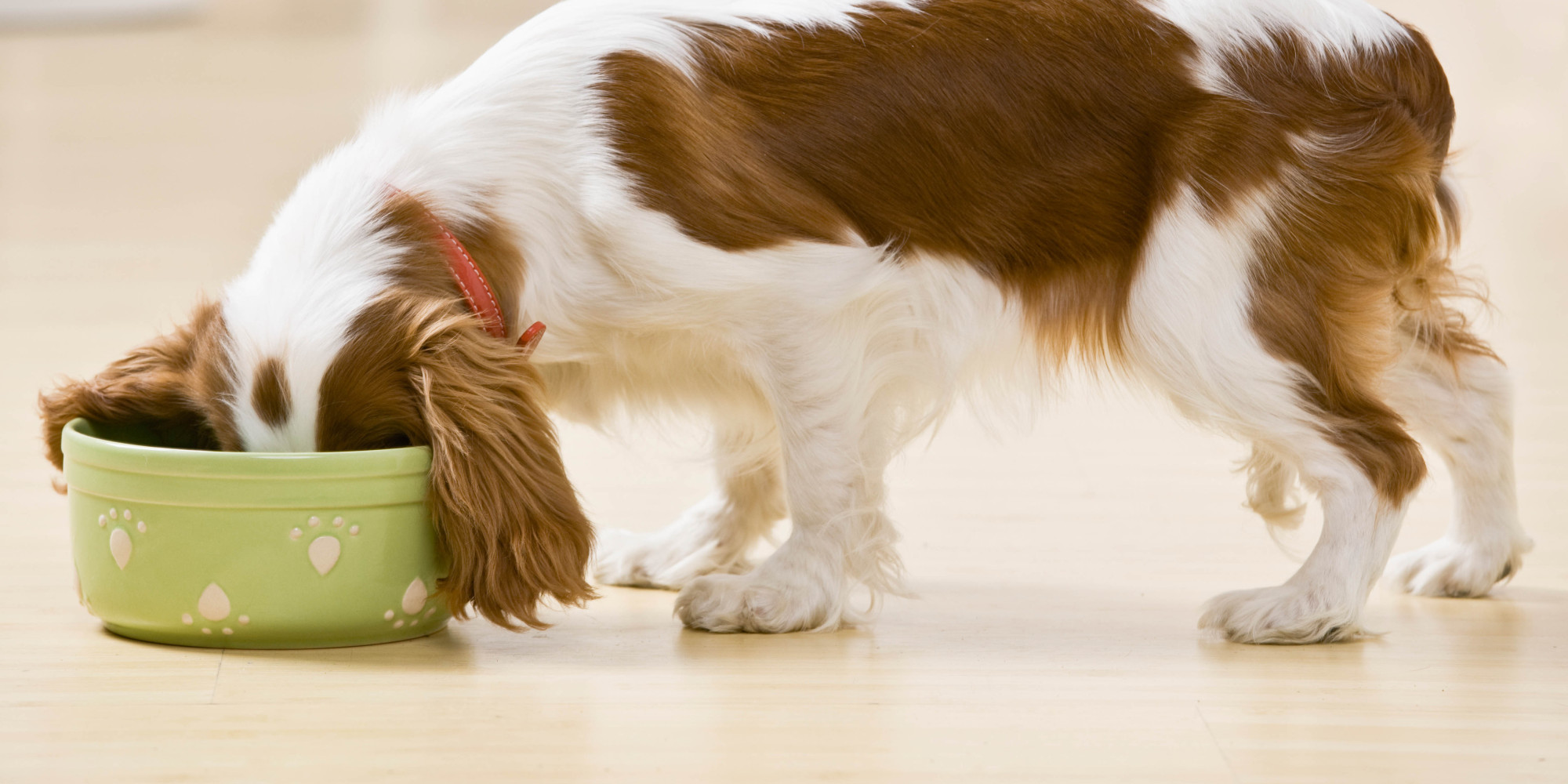
Dog Food Guidelines


Can you find your dog’s ribs easily, or do you have to search for them? If you discover that you are not able to feel its ribs, you have an overweight dog. Just like people, a healthy diet, combined with exercise, gives a dog physical and mental well-being. Good nutrition also gives your dog the means to fight off infection and illness.
It is best to feed your dog a diet of premium dog food that contains high quality digestible protein, without meat by-products, indigestible fillers, dyes or chemical preservatives. Even though premium food may cost more, your dog will eat less, be more satisfied and you will be able to see the results – glossy coat, shiny eyes, smooth skin and alert expression – with your own eyes. Regardless of what you choose to feed, always read the food labels to check for the ingredients and be wary of the additives mentioned above.
The debate of dry dog food versus canned dog food has been going on for some time. It has been advocated for many years that dry food helps rid teeth of tartar; however, this is not true. Brushing, nylon bones and regular veterinary cleaning are the best ways to manage your dog’s oral health. What is true is that dry food is very convenient and economic. If you choose dry food, the premium brands provide high quality nutrition and are definitely worth the additional cost.
Canned food contains more moisture because it is manufactured from fresh meat; it is very digestible and contains no preservatives. Dogs almost always prefer canned food to dry food, but it can be expensive if you are feeding a large dog.


Some more feeding tips:

  • Listings on dog food cans and bags of dry food of “how much to feed the average adult dog” should be taken as basic guidelines that can vary widely according to activity level, size and metabolism of a dog.
  • Most adult dogs do best if fed twice daily. This avoids overextending the stomach. Divide the total ration into two equal portions. It is particularly important to feed smaller meals to deep-chested dogs that may have a tendency to develop bloat or stomach torsion.
  • Limit strenuous exercise or play before and after meals, especially for breeds prone to bloat.
  • Do not let breeds prone to bloat consume excessive amounts of water after eating.
  • To avoid spilled food and water, teach your dog to sit before you put his food bowl on the floor. Deep-chested and large dogs should have their food and water bowls placed just under neck height.
  • Feeding time should be an approximate, not a precise, time. If you always feed him at 6:13, should 6:15 come around, you will have one frantic dog! You should rule the schedule, not him.
  • Never free feed. Many dogs will overeat if food is constantly available. They also may be more finicky about their food because they are never really hungry at mealtime. Let his gastric juices and digestive system take a rest in between meals.
  • Allow 15-20 minutes for your dog to eat his meal and remove any leftover food.
  • Keep children and other pets away from your dog while he is eating.
  • Don’t tease your dog by pretending to take the food dish away. If you are consistent and firm with him in all aspects of life, he will respect your authority. There is no need to exert your power over his food; he knows who feeds him anyway!
  • Always make sure his food is fresh and his bowls are washed with soap and water. Dogs will eat canned food even if it has gone bad.
  • Add a little hot water to canned food when you remove it from the refrigerator. Top dry food with a little canned food, unsalted meat or chicken broth for extra palatability.